
Kenya: HMH Agroforestry Project
Co-developing regenerative farms & improving livelihoods with the Maasai communities
CONSULTING IN AGROFORESTRY & HOLISTIC PROJECT MANAGEMENT
PARTNERS
The project is implemented by Hold my Hand (HMH), in collaboration with the Laikipia Permaculture Centre (LPC) and local Maasai communities in the Loita region of Kenya. Edhen complements the excellent existing teams with additional expertise in agroforestry and holistic project management.
CONTEXT & OBJECTIVES
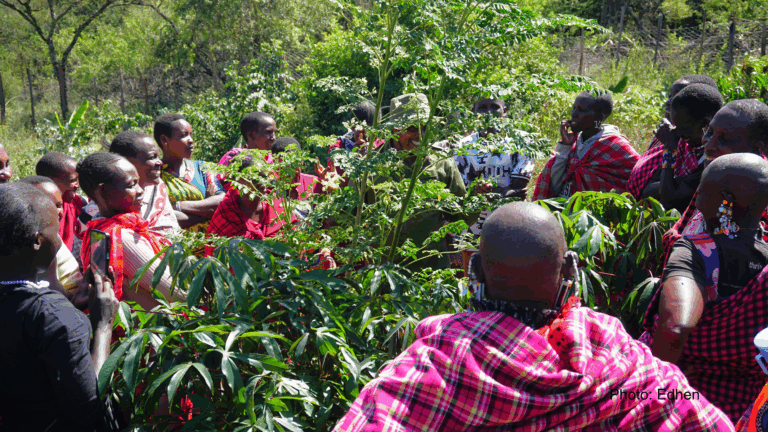
In recent years, many Maasai families have become more settled and now have access to agricultural land. At the same time, regenerative agricultural knowledge, food security and reliable income opportunities remain key challenges. The main question is therefore: How can Maasai communities benefit from their abundant natural resources in a regenerative way?
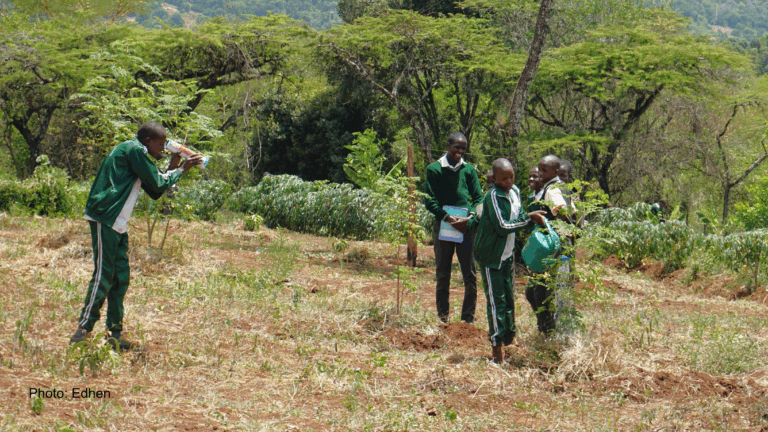
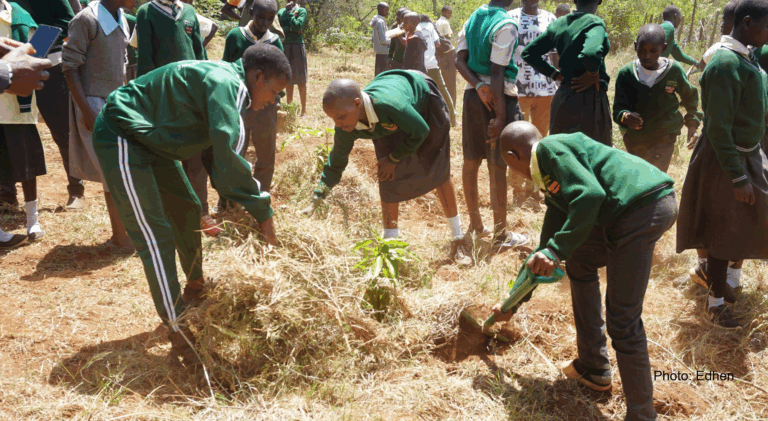
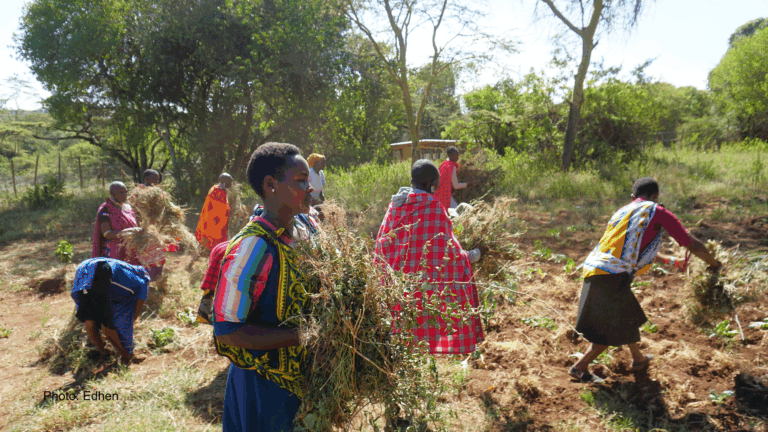
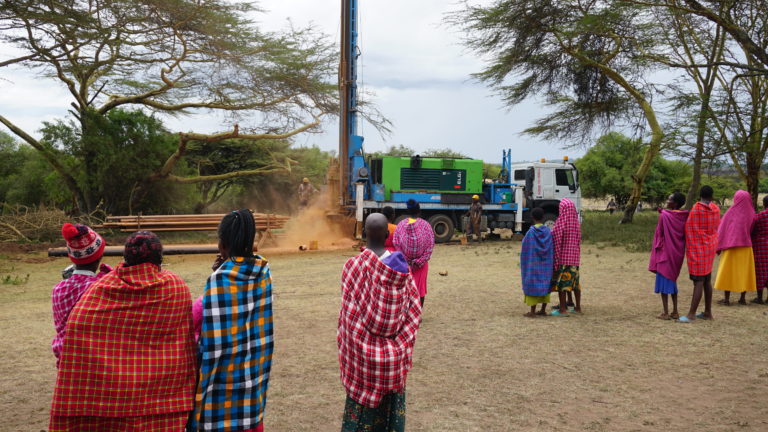
To address these challenges and opportunities, HMH has established an agroforestry and permaculture model garden on the grounds of the Osinantei school, which is also supported as part of the project. This site serves as a practical learning space where students and their parents gain hands-on knowledge. In parallel, key infrastructure is being developed, including new classrooms and a water well to improve access to clean water.
These first important achievements were welcomed by the local community, as the project activities respond to actual local needs in this remote region of Kenya. By improving education, food security and local capacities (especially by supporting the efforts of women).
The consulting mission builds on these achievements and supports the sustainable growth of this regenerative project.
CONSULTING
Edhen consulting supports the full project cycle through a holistic and participatory approach, including:
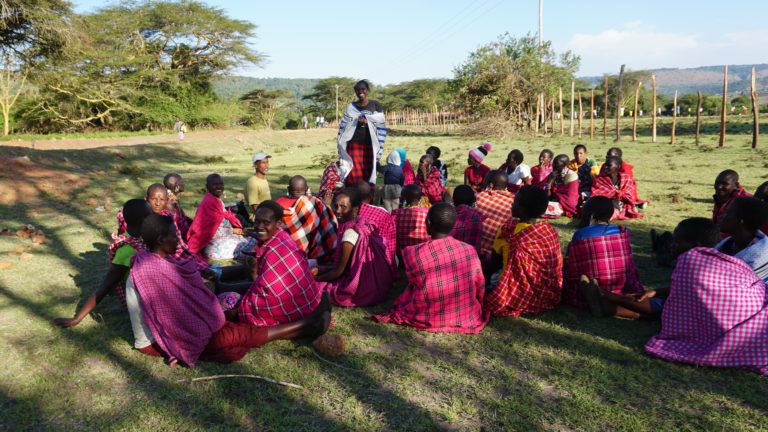
- Participatory needs assessment and multi-stakeholder interviews – to further explore the local context, challenges and opportunities (social, ecological and economic).
- Evaluation of existing farming systems, combined with technical analysis and co-development of locally adapted agroforestry systems that improve productivity and climate resilience, while conserving biodiversity (and the remaining forests).
- Consolidation of the successfully established agroforestry model site and preparation for gradual scaling to family-farms and home-gardens.
- Strengthening strategic partnerships through interdisciplinary collaboration between practice and research.
- Exploring ways to further support the Osinantei school as a practical learning hub, linking education with hands-on training.
- Holistic evaluation of overall project activities to provide decision-oriented recommendations for the next project phase.
- Support to the full project cycle, including proposal development and fundraising, to support the sustainable growth of the project (which is becoming increasingly important for the Osinantei school and the surrounding Maasai communities).


